Running a production plant means managing machines, materials, deadlines, and safety all at once, and the cleaning program often gets pushed to the bottom of the list. That is a costly mistake. Manufacturing facility cleaning is a specialized discipline that protects your equipment, your product quality, and the people on your floor. A dirty plant is not just an eyesore. It is a safety citation, a fire risk, and a drag on output waiting to happen. The team at Supreme Office Cleaning has cleaned commercial and industrial spaces across New Jersey since 2008, and we know that a factory floor demands a very different approach than a carpeted office suite.
If you manage a plant in Morris County or anywhere in New Jersey, here is what a real manufacturing cleaning program looks like and why it matters.
Why manufacturing facility cleaning is different from office cleaning
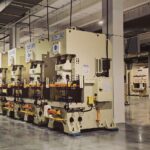
A standard office needs vacuuming, trash removal, restroom service, and dusting. A manufacturing facility needs all of that plus a layer of technical work that most janitorial crews are not equipped for. Production floors collect metal shavings, oil and coolant residue, fine dust, packaging debris, and chemical spills. These materials create slip hazards, damage sensitive equipment, and in some cases become genuinely dangerous.
Cleaning around live machinery also requires an understanding of lockout procedures, restricted zones, and how to work without interrupting a production schedule. This is closer to our industrial cleaning work than to a routine office visit, and it is why you want a crew that treats the plant floor as its own category rather than an oversized office.
The safety stakes: OSHA housekeeping and combustible dust
Cleanliness in a plant is a compliance issue, not a preference. Under OSHA standard 1910.22, employers must keep all workplaces, passageways, and walking-working surfaces clean, orderly, and sanitary, and floors must be kept dry to the extent feasible. A slick floor or a cluttered aisle is a violation, and it is also one of the most common causes of workplace injury.
The bigger hazard is dust. In facilities that produce wood, metal, plastic, food, or chemical products, fine dust can accumulate on beams, ductwork, and equipment. OSHA warns that combustible dust accumulations as thin as one thirty-second of an inch can pose a deflagration or explosion hazard. Regular high dusting and surface cleaning are the frontline defense against that risk. You can review OSHA’s guidance on combustible dust standards to see how seriously regulators treat this issue.
What a manufacturing facility cleaning program covers
A complete program goes well beyond sweeping the floor at the end of a shift. When we build a scope for a plant, it usually includes:
- Production floor cleaning using industrial scrubbers to lift oil, grease, and fine particulate from concrete and epoxy floors
- High dusting of rafters, light fixtures, ductwork, and equipment tops to control dust before it accumulates
- Restroom and locker room sanitation held to a strict, repeatable standard
- Break room and cafeteria cleaning to protect food safety and staff health
- Office and front-desk detailing for the administrative side of the building
- Waste and recycling management including proper separation of production scrap
- Loading dock and entrance cleaning where dirt and moisture get tracked in
We use eco-friendly, non-toxic products wherever the job allows, which keeps your staff breathing cleaner air and keeps residues off sensitive surfaces. For the machinery-heavy areas and detailed surface work, our commercial cleaning services and office detailing teams handle both the heavy floor work and the fine touches.
Zones inside a plant that need special attention
Not every square foot of a facility carries the same risk, so a smart cleaning plan treats zones differently.
The production floor is the priority. It needs frequent sweeping and scrubbing to keep debris and fluids from becoming slip hazards or contaminating product. The break rooms and restrooms are high-touch, high-traffic areas where germs spread fast, so they need daily disinfection. Storage and warehouse zones collect dust and clutter that block aisles and fire exits. Finally, the front office is what clients and auditors see first, so it needs the same polish as any professional workspace.
When a facility has just wrapped up a renovation or new equipment install, there is usually a heavy layer of construction dust and debris to clear before normal operations resume. That is a job for our post construction cleaning crew, who get the space production-ready without slowing you down.
How often should a manufacturing plant be cleaned
There is no single answer, because a light-assembly shop and a metal fabrication plant live in different worlds. That said, most manufacturing clients land on a layered schedule. Daily service handles floors, restrooms, break rooms, and trash. Weekly service adds deeper floor scrubbing and detail work. Monthly or quarterly service covers high dusting, hard-to-reach areas, and equipment exteriors.
The right frequency depends on your output, your materials, and your compliance requirements. We walk the floor with you, map the risk zones, and build a schedule that keeps you compliant without paying for service you do not need. Round-the-clock operations can also use our overnight and emergency cleaning so the crew works while the line is idle.
What professional cleaning protects on your bottom line
It is tempting to hand cleaning to existing staff or a low-cost crew to save a few dollars, but that math rarely works out. When production workers spend part of their shift sweeping and hauling trash, you are paying skilled labor rates for unskilled work and losing output at the same time. Worse, an untrained crew can miss the exact hazards that trigger fines or accidents.
A professional program protects three things that directly hit your budget. First, it protects equipment, because dust and grease shorten the life of motors, sensors, and moving parts, and a clean machine simply runs longer. Second, it protects people, since slip-and-fall and dust-related incidents drive up workers’ compensation costs and lost time. Third, it protects your compliance record, because a documented cleaning routine is exactly what an OSHA inspector or a prospective client wants to see. You can read the full text of the OSHA housekeeping standard to understand what auditors expect on a walking-working surface.
When you weigh the cost of a cleaning contract against a single injury claim, a failed inspection, or a damaged production run, the value of doing it right becomes obvious.
Choosing a manufacturing cleaning partner in New Jersey
The company you hire is walking your floor, near your equipment, and often working after hours with keys to the building. That trust matters. Look for a locally owned partner rather than a national franchise that rotates unfamiliar crews through your plant. Ask whether they understand OSHA housekeeping expectations, whether they carry proper insurance, and whether they can scale service up during your busy season.
Supreme Office Cleaning is locally owned and operated out of Parsippany, and we serve manufacturers throughout Morris County and the rest of New Jersey. Because we are local, the same trained team gets to know your building, your schedule, and your standards. Facility managers in the area can learn more on our Parsippany office cleaning page.
Keep your plant clean, safe, and compliant
A clean plant runs better, passes inspections, and sends a clear message to employees and clients that the operation is run with care. Strong manufacturing facility cleaning is one of the simplest investments you can make in safety and productivity, and it pays for itself in fewer accidents, longer equipment life, and a workforce that takes pride in the space. If you are ready to build a cleaning program around your production floor, call the team at Supreme Office Cleaning at 973-292-0123 for a free, no-obligation quote and a walkthrough of your facility.